
It's time for the entire discussion.
Sustainability in Jewellery is more than recycled metals and “ethical” stones. While there is a lot of discussion (or noise) around this topic the usual Sustainability ‘Talk’ is way too narrow. Current market “education” can be very one sided. Most conversations focus on materials alone. Important... yes. But materials are only one piece of the puzzle.

Let’s look at everything because I think there needs to be a bigger conversation.
The Maker/Creative:
True sustainability starts with the maker, the craftsperson, the designer. A burnt‑out jeweller or designer cannot sustain their craft. Mental health is a sustainability issue. The longevity of the craft depends on the wellbeing of the people who practice it. Good Mental Health = Longevity. Rest, boundaries, creative play, and manageable workloads are all really important foundation considerations. Keeping jewellers in the industry long term is massive. These things aren’t luxuries. They’re the foundation that keeps skilled makers in the industry for decades, not just a few intense years.
Intellectual property matters too:
OMG, we seem to forget everything about IP. Protecting and valuing your designs protects the future of the craft and when creativity is safe, innovation thrives. This part of sustainability is often ignored but is a big part in a sustainable process. Respecting IP and leveraging your own process is sustainability. Jewellery design is intellectual labour. Protecting that labour protects the future of the craft. When designs are respected, credited, and legally protected designers can build long‑term careers, studios can invest in their own processes with confidence. IP protection isn’t just legal housekeeping, It’s a sustainability practice and its massivly important. It ensures that the craft evolves with integrity rather than being diluted by imitation.
Client connection reduces waste:
When clients understand the process, they choose pieces that last, can be repaired when needed, and items that evolve with the client. This reduces returns, remakes, impulse purchases, and forgotten pieces sitting in drawers. Client education and honest connection is sustainability.
Business sustainability is real sustainability:
A studio cannot be sustainable if the business behind it is collapsing under financial strain. Clear pricing, healthy cash flow, and structured workflows and boundaries keep small studios alive and the creative craftsperson happy.
Continuous Learning creates a sustainable career.
Experimentation and education to develop general skills and cognitive thinking processes (your problem solving brain) provides longevity. Relying on AI for everything is not going to sustain your practice, its going to diminish it. This industry is not a “One and Done” format, skills and tools evolve and our clients help to push and expand our offering and learning.
Community is also a sustainability pillar.
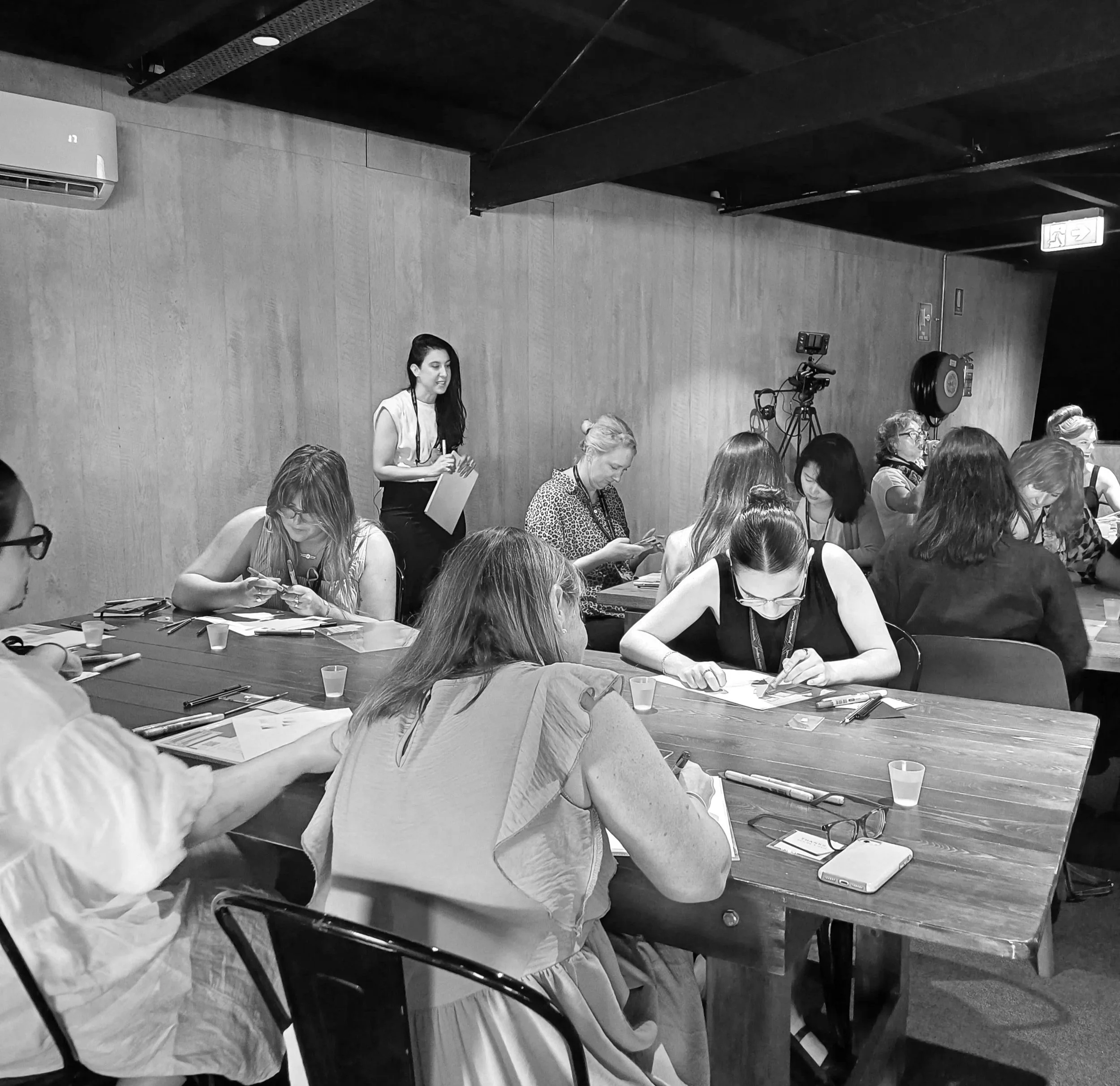
Sharing knowledge, supporting peers, mentoring apprentices. Community over competition mindset keeps skills alive for generations. While this industry often made up of craftsman working on their own on really labour intensive tasks its only continues when time is made to pass these important skills down. Making sure traditions continue and new skills are discovered.
Good design is Sustainability.
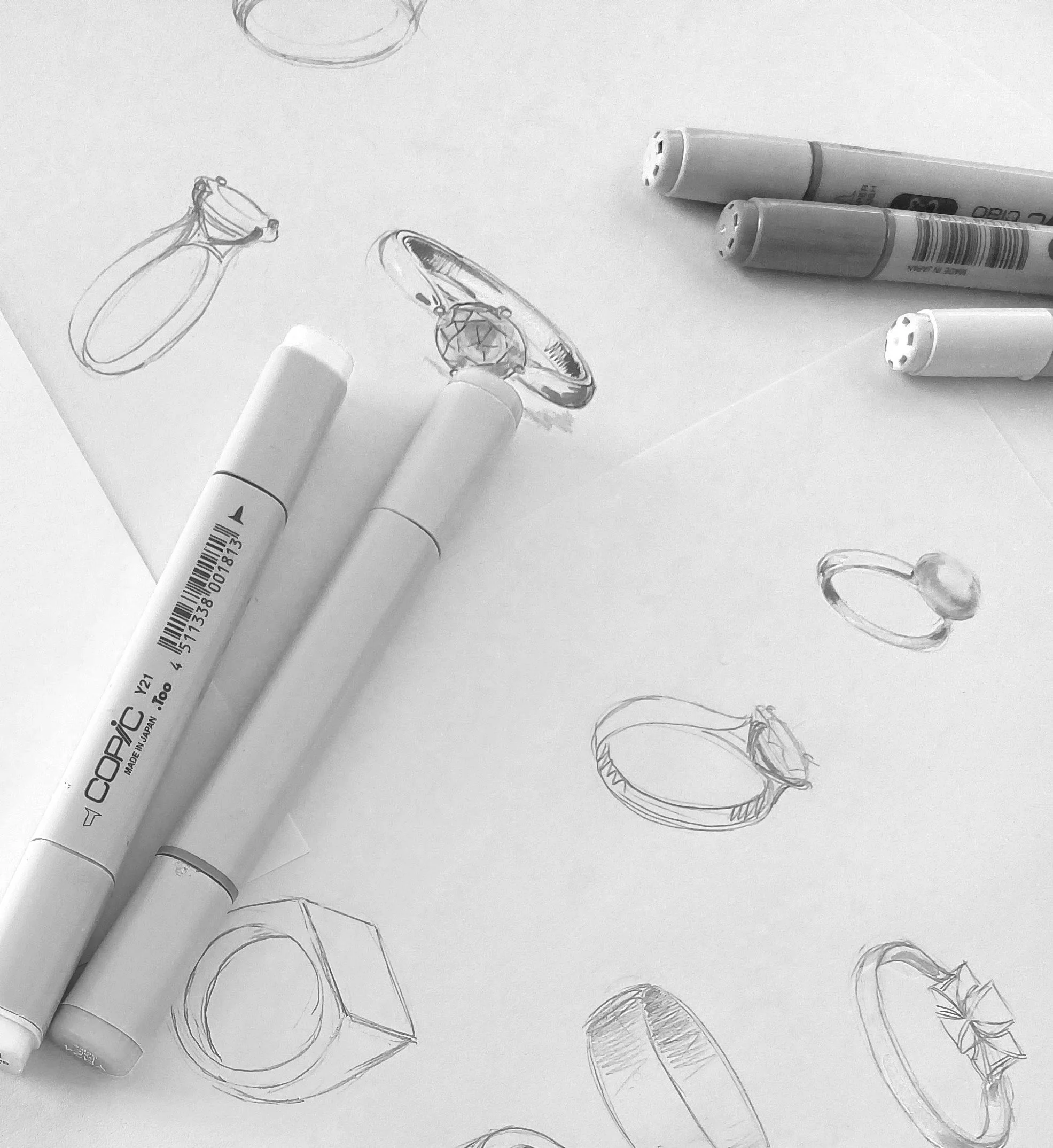
Valuing the years of experience that goes into a design is important. Its about solutions that suit both the craftsperson and the wearer. Designs that are actually possible to make and last. Years of understanding of how materials behave, what makes them special and how to highlight those details. Its not about a drawing, its about years of realistic outcomes bundled into genuine advice.
Recycled metals, ethical stones, heirloom remakes go a long way in the conversation but they’re only part of a bigger ecosystem. “Sustainability” isn’t just a buzzword, It’s an entire ecosystem: the maker, the mind, the skills, the community, the client, The design. The craft.
Lets continue to talk about all of it so we can look after ourselves and our industry!